The Real Culprit Behind High Triglycerides

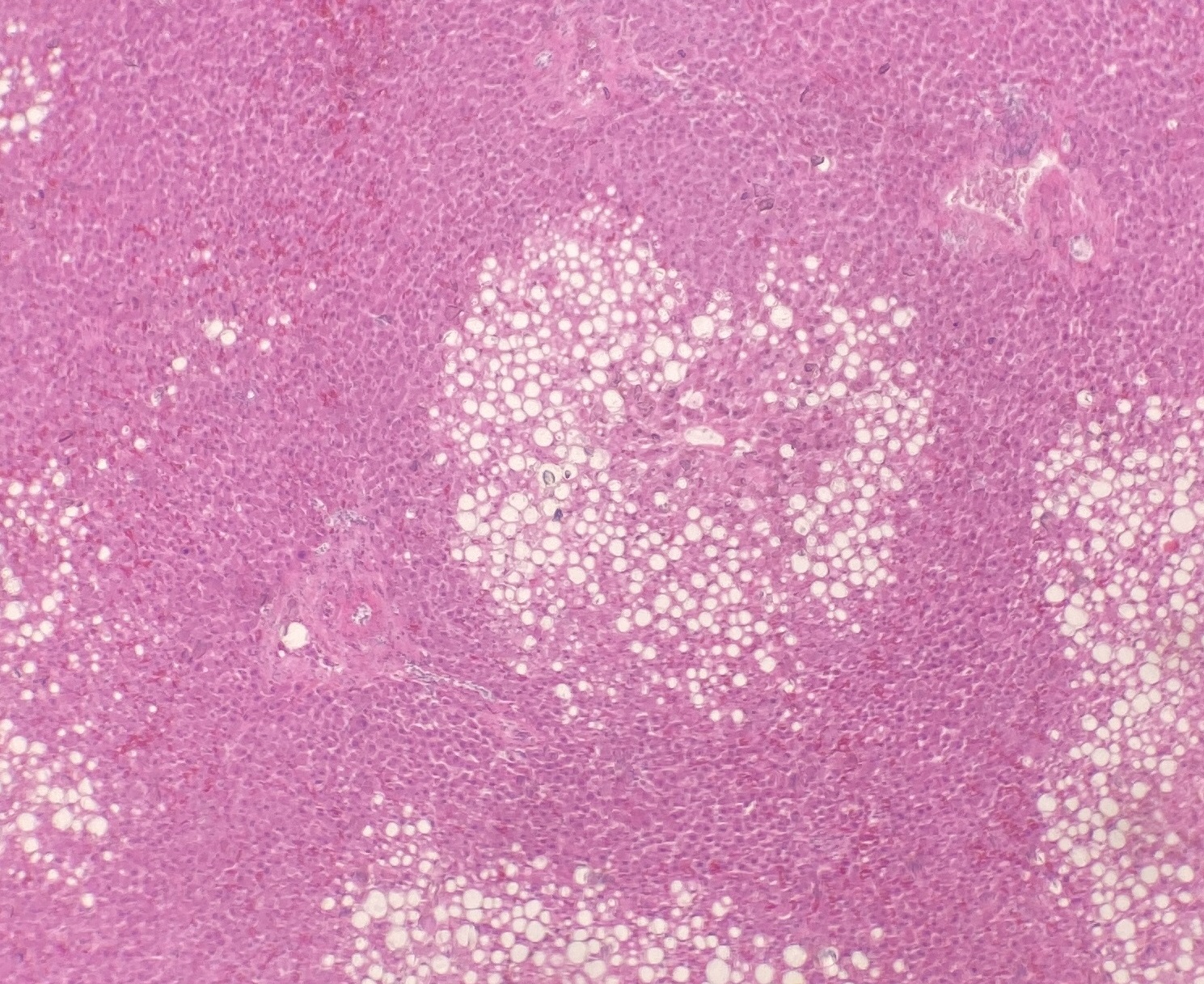
When your lab report shows “elevated triglycerides,” what’s your first instinct? Cut back on fatty foods?
It makes perfect sense—triglycerides are fat, so fat must come from dietary fat.
But the truth is exactly the opposite.
Your Liver Is the Triglyceride Factory
The liver is the command center of lipid metabolism. Rather than simply packaging dietary fat for storage, it actively manufactures fat from sugar and carbohydrates through a process called de novo lipogenesis.
Here’s the pathway:
Dietary carbohydrates → digested into glucose → glucose enters the liver → under insulin regulation, excess glucose is converted to fatty acids → fatty acids combine with a glycerol backbone → triglycerides are synthesized → packaged into VLDL particles → released into the bloodstream
In other words, the sugar you eat is directly turned into triglycerides inside your liver.
Fructose Is Especially Dangerous
Among all sugars, fructose takes the most direct route to liver metabolism—almost unregulated by insulin, flooding straight into liver cells and rapidly converted to fat.
This is why high-fructose corn syrup beverages (sodas, fruit drinks, bubble tea) often raise triglycerides 2 to 3 times more than equivalent calories from saturated fat.
Fat Isn’t the Main Culprit—Carbs Are
A systematic review in the American Journal of Clinical Nutrition showed that high-carbohydrate diets induce triglyceride elevations at 2 to 3 times the rate of isocaloric high-fat diets.
Cutting back on steak won’t meaningfully lower your triglycerides, but reducing refined carbs and controlling fructose intake often produces immediate results.
What Should You Eat?
- Eliminate sugary drinks—replace with water or tea
- Limit whole fruit to ~200g daily; avoid fruit juice
- Substitute refined grains with whole grains
- Control total carbohydrate intake
- Ensure adequate protein and dietary fiber
Key Takeaway
The real culprit behind elevated triglycerides isn’t dietary fat—it’s your liver converting sugar into fat. Managing sugar intake matters more than watching fat grams.
Next time you see that triglyceride arrow pointing up, don’t blame the braised pork belly.
⚠️ For reference only, not medical advice. Consult a healthcare professional for any health concerns.